

Professional illustration about Washington
DC Area Guide 2025
DC Area Guide 2025
Planning a trip to the Washington, D.C. area in 2025? Whether you're visiting for the historic sites, exploring cultural diversity, or relocating for employment opportunities, the District of Columbia and its surrounding regions—Maryland and Virginia—offer something for everyone. The Washington Metropolitan Area Transit Authority (WMATA) makes navigating the city a breeze with the Washington Metro, connecting key neighborhoods like Georgetown to iconic landmarks such as the National Mall and Rock Creek Park.
For sports fans, the DC area is home to several major teams, including the Washington Wizards (NBA), Washington Capitals (NHL), Washington Commanders (NFL), Washington Nationals (MLB), and women's teams like the Washington Mystics (WNBA) and Washington Spirit (NWSL). Catching a game is a great way to experience the city’s vibrant energy. Meanwhile, urban development continues to reshape the region, with new dining, entertainment, and residential projects enhancing economic development.
If you're into tourism, don’t miss the monuments and museums that define the city’s federal government roots. The National Mall remains a must-visit, featuring the Lincoln Memorial, Smithsonian museums, and seasonal cultural events. For a quieter escape, Rock Creek Park offers hiking trails and scenic views just minutes from downtown.
Education and healthcare services are top-tier in the Washington Metropolitan Area, with renowned universities and medical centers attracting students and professionals alike. Neighborhoods like Georgetown blend historic charm with modern amenities, making them ideal for both short-term stays and long-term living.
With public transportation options expanding and cultural diversity thriving, the DC area in 2025 is more dynamic than ever. Whether you're here for work, leisure, or a bit of both, this guide highlights the best of what the region has to offer.
Professional illustration about District
Top DC Neighborhoods
Top DC Neighborhoods
Washington, D.C. is a city of contrasts, where historic charm meets modern urban development, and federal government buildings stand alongside vibrant cultural hubs. Whether you're drawn to the energy of downtown or the leafy streets of residential enclaves, the Washington Metropolitan Area offers something for everyone. Here’s a deep dive into some of the top neighborhoods in the District of Columbia, Maryland, and Virginia that define the region’s unique character.
Georgetown remains one of the most iconic neighborhoods, blending cobblestone streets with high-end shopping and dining. Home to Georgetown University, this area attracts students, professionals, and tourists alike. Its proximity to the National Mall and Rock Creek Park makes it ideal for those who love outdoor activities and easy access to historic sites and monuments. The Washington Metro doesn’t directly serve Georgetown, but the neighborhood’s walkability and bus routes keep it well-connected.
For a more urban vibe, Downtown DC is the heart of the city’s economic and cultural activity. This is where you’ll find the federal government offices, major corporations, and landmarks like the Smithsonian museums. The area buzzes with employment opportunities, but it’s also a hotspot for cultural events, from gallery openings to performances at the Kennedy Center. The Washington Metropolitan Area Transit Authority (WMATA) makes commuting a breeze, with multiple Metro lines intersecting here.
If sports are your passion, Navy Yard is a must-consider neighborhood. This rapidly developing area is home to the Washington Nationals baseball team and their stadium, Nationals Park. The Washington Capitals and Washington Wizards also play nearby at Capital One Arena, making it a prime location for fans. The neighborhood’s urban development has brought new apartments, restaurants, and waterfront views, creating a lively atmosphere.
For families and those seeking a quieter pace, Cleveland Park offers tree-lined streets, top-rated schools, and a strong sense of community. Located near Rock Creek Park, it’s perfect for outdoor enthusiasts, and the Red Line provides easy access to downtown. The neighborhood’s cultural diversity is reflected in its eclectic dining scene, from Ethiopian cafes to classic American diners.
Arlington, Virginia, just across the Potomac, is another standout, particularly the Clarendon and Ballston areas. These neighborhoods are packed with young professionals, thanks to their proximity to employment opportunities in tech and defense sectors. The Washington Metro’s Orange and Silver Lines run through Arlington, making it a commuter’s dream. Plus, the Washington Commanders’ training facility is nearby, adding to the area’s appeal for sports fans.
In Maryland, Bethesda and Silver Spring are top contenders. Bethesda boasts excellent healthcare services, upscale shopping, and a thriving arts scene, while Silver Spring is known for its cultural diversity and affordable housing options. Both neighborhoods are well-served by the Metro’s Red Line, connecting residents to Washington, D.C.’s core.
For those who prioritize education, Foggy Bottom is a prime choice, housing George Washington University and its affiliated hospitals. The neighborhood’s mix of students, professionals, and diplomats creates a dynamic environment. It’s also steps away from the National Mall, making it a cultural and recreational paradise.
Each of these neighborhoods contributes to the Washington Metropolitan Area’s rich tapestry, offering distinct lifestyles, transportation options, and economic development opportunities. Whether you’re moving for work, school, or simply to enjoy the city’s tourism highlights, there’s a perfect corner of D.C. waiting for you.
Professional illustration about Maryland
DC Transportation Tips
DC Transportation Tips
Navigating Washington, D.C., and its surrounding areas—including Maryland and Virginia—can be a breeze if you know the best transportation options. The Washington Metro, operated by the Washington Metropolitan Area Transit Authority (WMATA), is the backbone of the region’s public transportation system. With six color-coded lines (Red, Orange, Blue, Silver, Green, and Yellow), the Metro connects key destinations like the National Mall, Georgetown, and major sports venues such as Capital One Arena (home to the Washington Wizards, Washington Capitals, and Washington Mystics) and Audi Field (where the Washington Spirit and DC United play). Pro tip: Avoid rush hour (7–9 AM and 4–6 PM) if possible, as trains get crowded, especially near federal government hubs.
For shorter trips, consider the DC Circulator, a budget-friendly bus system that hits hotspots like Rock Creek Park, the National Mall, and Georgetown. It’s a great alternative to rideshares, especially during peak tourism seasons when traffic around historic sites and monuments slows to a crawl. If you’re exploring neighborhoods like Adams Morgan or Dupont Circle, Capital Bikeshare is another eco-friendly option, with hundreds of stations across the District of Columbia and nearby suburbs.
Driving in D.C.? Be prepared for congestion and pricey parking, particularly near cultural events or museums. Apps like SpotHero can help you reserve parking spots in advance. If you’re heading to a Washington Nationals game at Nationals Park or a Washington Commanders game at FedExField, Metro is often the smarter choice—both venues are accessible via train, saving you the hassle of parking.
For late-night travel, the Metro’s limited hours (closing around midnight on weekdays and 1 AM on weekends) can be a challenge. Rideshares or taxis are your best bet, though night buses like the Metrobus 90s series run along major corridors. Lastly, don’t overlook the region’s economic development projects, like the ongoing Silver Line expansion, which improves access to employment opportunities in Northern Virginia. Whether you’re a tourist hitting historic sites or a local commuting to healthcare services, mastering D.C.’s transportation mix will save you time and stress.
Bonus tip: If you’re planning a weekend of cultural diversity and exploration, check out WMATA’s weekend passes for unlimited rides—perfect for hopping between museums, monuments, and neighborhoods without worrying about fare calculations. And if you’re catching a Washington Capitals or Washington Wizards game, the Gallery Place-Chinatown Metro stop drops you right at the arena’s doorstep.
Professional illustration about Virginia
Best DC Restaurants
Best DC Restaurants
Washington, D.C. is a culinary powerhouse, blending global flavors with local charm. Whether you're exploring the National Mall, catching a Washington Wizards game, or strolling through Georgetown, the city’s dining scene offers something for every palate. From upscale steakhouses to hidden gems in Maryland and Virginia, the Washington Metropolitan Area is a food lover’s paradise.
For a taste of D.C.’s iconic dishes, head to Ben’s Chili Bowl, a historic spot near the Washington Metro that’s been serving legendary half-smokes since 1958. If you’re craving seafood, The Wharf district boasts fresh oysters and crab cakes at spots like Del Mar or Mi Vida, where Mexican-inspired dishes shine. Meanwhile, Rose’s Luxury in Capitol Hill remains a must-visit for its inventive small plates and lively atmosphere—just be prepared for a wait, as this Michelin-starred hotspot doesn’t take reservations.
The city’s cultural diversity is reflected in its food. Little Ethiopia near U Street offers authentic injera and spicy stews at Zenebech Injera, while Anju in Dupont Circle serves modern Korean fare like crispy fried chicken and kimchi pancakes. For a taste of urban development meeting culinary innovation, check out Union Market in Northeast D.C., a hub for artisanal eats, from ramen at Daikaya to gourmet doughnuts at Doughnuts & Coffee.
Sports fans grabbing a bite before a Washington Nationals or Washington Capitals game should explore the Navy Yard area. Bluejacket brewery pairs craft beers with elevated pub food, while Osteria Morini dishes out rustic Italian pasta. Over in Virginia, Mosaic District favorites like Ser bring Spanish tapas to the table, while Maryland’s Bethesda Row offers upscale options like Gringos & Mariachis for Mexican fusion.
Fine dining enthusiasts won’t want to miss The Inn at Little Washington, a triple-Michelin-starred escape in Virginia’s countryside, or Minibar by José Andrés, where avant-garde tasting menus redefine modern cuisine. For a more casual yet equally memorable experience, Makan in Columbia Heights delivers Malaysian street food, and Mama Chang in Fairfax serves homestyle Chinese dishes that rival D.C.’s downtown spots.
With public transportation like the Washington Metropolitan Area Transit Authority making it easy to hop between neighborhoods, exploring D.C.’s food scene is a breeze. Whether you’re here for tourism, employment opportunities, or just great food, the District of Columbia and its surrounding areas deliver unforgettable flavors at every turn.
Professional illustration about Washington
DC Nightlife Spots
DC Nightlife Spots: Where the City Comes Alive After Dark
Washington, D.C. transforms when the sun goes down, offering a dynamic nightlife scene that caters to every taste—from upscale cocktail lounges to gritty dive bars and everything in between. Whether you're catching a Washington Wizards game at Capital One Arena before bar-hopping or dancing the night away in Georgetown, the District’s energy is contagious. The Washington Metropolitan Area Transit Authority (WMATA) makes it easy to explore, with the Washington Metro running until midnight (or later on weekends), connecting hotspots across the District, Maryland, and Virginia.
For a mix of history and hedonism, head to the U Street Corridor, where jazz clubs like historic venues blend with modern rooftop bars. Nearby, Adams Morgan buzzes with eclectic pubs and late-night eateries, perfect for post-concert crowds from the Anthem or 9:30 Club. If you prefer a more polished vibe, The Wharf delivers waterfront cocktails and live music, while H Street NE lures adventurous spirits with its speakeasies and themed bars. Sports fans can rally at District Drafts near National Mall, where local brews flow alongside screens showing Washington Commanders, Capitals, or Nationals games.
Cultural diversity shines in D.C.’s nightlife too. Latin beats heat up Colombia Heights, while Downtown’s LGBTQ+ venues like Nellie’s Sports Bar offer drag brunches by day and dance parties by night. Even Rock Creek Park gets in on the action with moonlit outdoor concerts in summer. Pro tip: Many spots near monuments and museums stay open late during cultural events like the National Cherry Blossom Festival, blending tourism with after-dark fun.
For those who crave exclusivity, members-only lounges in Penn Quarter cater to the political elite and lobbyists, where deals are made over martinis. Meanwhile, Virginia’s Arlington and Maryland’s Silver Spring offer suburban alternatives with breweries and comedy clubs. No matter your scene, D.C.’s nightlife thrives on urban development and economic growth, ensuring fresh venues—like pop-up DJ sets in repurposed federal government buildings—keep the city’s pulse racing. Just remember: Ride-shares surge after midnight, so plan your public transportation route or grab a Capital Bikeshare to cruise home under the monuments’ glow.
Professional illustration about National
DC Cultural Events
DC Cultural Events: A Vibrant Tapestry of Arts, History, and Community
Washington, D.C. isn’t just the political heart of America—it’s a cultural powerhouse where history, art, and diversity collide. From the National Mall’s iconic festivals to neighborhood block parties in Georgetown, the city pulses with year-round events that celebrate its unique identity. The Smithsonian museums (all free!) host everything from jazz nights to Indigenous art exhibitions, while the Kennedy Center dazzles with Broadway shows and international performances. Don’t miss the National Cherry Blossom Festival in spring, where the Tidal Basin transforms into a pink wonderland, or DC JazzFest, which draws legends and rising stars to venues across the city.
Beyond the federal government’s shadow, D.C.’s cultural scene thrives in its historic sites and diverse communities. The Anacostia Arts District showcases Black artists and entrepreneurs, while Union Market blends food, art, and pop-up performances. Sports fans can catch the Washington Wizards or Washington Mystics for a dose of hometown pride, and music lovers flock to The Anthem or 9:30 Club for intimate concerts. Even public transportation plays a role—the Washington Metro makes it easy to hop between Rock Creek Park’s outdoor theater shows and Downtown’s gallery walks.
What sets D.C. apart is its fusion of global and local flavors. The DC Funk Parade in U Street celebrates go-go music (a hometown genre), while Passport DC offers embassy open houses with food and dance from around the world. For families, the National Children’s Museum mixes play with STEM exhibits, and the Wharf’s waterfront festivals highlight seafood and live music. Whether you’re exploring Virginia’s nearby wineries or Maryland’s Afro-Caribbean festivals, the Washington Metropolitan Area proves culture isn’t confined to city limits. Pro tip: Check the Washington Metropolitan Area Transit Authority for event-day shuttle services—because nothing kills vibes like parking woes.
Urban development continues to shape the scene, with new venues like Capital One Hall in Tysons adding concert options. Yet grassroots events—think Adams Morgan’s PorchFest or H Street Festival—keep the city’s soul alive. Employment opportunities in the arts sector are growing too, from museum curation to event production. So whether you’re here for the Washington Commanders’ tailgate parties or a quiet afternoon at the National Gallery of Art, D.C.’s cultural calendar never sleeps. Just remember: hydration and comfy shoes are non-negotiable for marathon museum-hopping.

Professional illustration about Creek
DC Real Estate Trends
DC Real Estate Trends in 2025: What Buyers and Sellers Need to Know
The Washington, D.C. real estate market continues to evolve in 2025, shaped by a mix of urban development, economic growth, and shifting demographics. The District of Columbia remains a hotspot for buyers drawn to its cultural diversity, employment opportunities, and proximity to federal government hubs. However, trends are also emerging in neighboring areas like Maryland and Virginia, where affordability and space are driving demand.
One of the most notable trends is the rise of mixed-use developments near transit hubs. The Washington Metropolitan Area Transit Authority (WMATA) has expanded its Washington Metro lines, making neighborhoods like Georgetown and areas near Rock Creek Park even more desirable. These locations offer a blend of historic sites, modern amenities, and easy access to public transportation, appealing to both young professionals and families. For example, new condo projects near the National Mall are catering to affluent buyers who want to be close to monuments, museums, and cultural events.
Meanwhile, the demand for single-family homes has surged in suburban areas, particularly in Maryland’s Montgomery County and Virginia’s Arlington. These regions provide more space, top-tier education options, and healthcare services, making them ideal for remote workers and families. In contrast, the Washington Nationals, Washington Capitals, and Washington Commanders arenas continue to drive interest in nearby neighborhoods like Navy Yard and Capitol Riverfront, where tourism and nightlife boost property values.
Another key factor is the impact of sports teams on local markets. The success of the Washington Wizards, Washington Mystics, and Washington Spirit has revitalized areas around their venues, with new restaurants, bars, and retail spaces popping up. Investors are eyeing these zones for short-term rentals and commercial real estate opportunities.
For sellers, pricing strategies must account for these shifts. Homes in walkable neighborhoods with access to public transportation or historic sites tend to sell faster, while suburban properties need to highlight employment opportunities and school districts. Buyers, on the other hand, should consider long-term urban development plans—such as upcoming Metro expansions or commercial projects—to gauge future appreciation.
In summary, the Washington metropolitan area offers diverse opportunities, but success depends on understanding local trends. Whether you’re drawn to the energy of the city or the tranquility of the suburbs, staying informed about economic development and transportation upgrades will help you make the best investment.
Professional illustration about Georgetown
DC Family Activities
Exploring DC Family Activities: Fun for All Ages in the Washington Metropolitan Area
Planning a family outing in Washington, D.C.? The District of Columbia and its surrounding areas—Maryland and Virginia—offer endless opportunities for memorable experiences. Whether you're a local or visiting, the Washington Metropolitan Area is packed with historic sites, cultural events, and outdoor adventures that cater to kids and adults alike.
Start your day at the National Mall, the heart of D.C.'s tourism scene. This iconic stretch is home to world-class museums like the Smithsonian National Air and Space Museum and the National Museum of Natural History—both free and perfect for sparking curiosity in young minds. Don’t miss the chance to explore the monuments, from the Lincoln Memorial to the Washington Monument, where kids can burn off energy while soaking in history. For a more immersive experience, consider a scavenger hunt or guided tour tailored for families.
If your crew loves nature, head to Rock Creek Park, one of the largest urban parks in the U.S. With over 1,700 acres of trails, picnic spots, and even a planetarium, it’s a fantastic escape from the city’s hustle. Families can bike along scenic paths, visit the Nature Center, or enjoy horseback riding. Nearby, Georgetown offers a charming mix of waterfront parks, boutique shops, and kid-friendly eateries. The C&O Canal Towpath is another gem, ideal for a leisurely stroll or bike ride along the historic waterway.
Sports fans won’t want to miss catching a game with one of D.C.’s professional teams. Cheer on the Washington Nationals at Nationals Park, or experience the excitement of an NBA game with the Washington Wizards. Hockey enthusiasts can watch the Washington Capitals, while football lovers can root for the Washington Commanders. For soccer and basketball, the Washington Spirit (NWSL) and Washington Mystics (WNBA) offer thrilling matches with a family-friendly atmosphere. Many venues also host special theme nights and activities for younger fans.
Getting around is a breeze thanks to the Washington Metro, operated by the Washington Metropolitan Area Transit Authority (WMATA). The metro system is not only efficient but also an adventure for kids who love trains. For shorter trips, consider renting bikes or scooters through the city’s bike-share program.
Beyond the usual hotspots, D.C.’s neighborhoods brim with hidden gems. The Wharf in Southwest D.C. features splash fountains and live music, while Union Market in Northeast offers diverse food stalls and interactive workshops. For a dose of cultural diversity, check out events like the National Cherry Blossom Festival or the Smithsonian Folklife Festival, which celebrate global traditions through performances, crafts, and food.
Educational outings are also plentiful. The International Spy Museum captivates with interactive exhibits, and the National Children’s Museum blends play with learning. For older kids, the U.S. Capitol and Library of Congress provide fascinating insights into the federal government and American history.
With so much to do, Washington, D.C. truly stands out as a family-friendly destination. From urban development projects like The Yards to the timeless allure of the National Mall, there’s always something new to discover. Whether you’re exploring public transportation, indulging in local cuisine, or diving into the city’s rich cultural diversity, every outing promises fun and learning for the whole family.
Professional illustration about Washington
DC Outdoor Adventures
DC Outdoor Adventures offer endless opportunities to explore the vibrant blend of urban and natural landscapes in the Washington, D.C. area. Whether you're a local or a visitor, the District of Columbia and its surrounding regions—Maryland and Virginia—provide a diverse range of activities for outdoor enthusiasts. From iconic landmarks to hidden gems, here’s how you can make the most of the region’s outdoor spaces.
Start your adventure at the National Mall, the heart of Washington, D.C., where you can stroll past historic monuments and museums while enjoying open green spaces. The Mall isn’t just for sightseeing—it’s a prime spot for picnics, jogging, or even joining a pickup game with locals. Nearby, Rock Creek Park offers a serene escape with over 1,700 acres of trails, horseback riding, and even planetarium shows. It’s one of the oldest urban parks in the U.S. and a must-visit for nature lovers. Artistree Live
For a mix of history and outdoor fun, head to Georgetown, where the C&O Canal towpath provides a scenic route for walking, biking, or kayaking. The waterfront area is also packed with trendy cafes and shops, making it perfect for a day trip. If you’re into sports, catch a Washington Nationals baseball game at Nationals Park or cheer for the Washington Capitals or Washington Wizards at Capital One Arena. The Washington Commanders, Washington Mystics, and Washington Spirit also bring excitement to the area with football, basketball, and soccer games year-round. Artistree Live
Public transportation makes exploring a breeze, thanks to the Washington Metro operated by the Washington Metropolitan Area Transit Authority. Hop on a train to reach destinations like Great Falls Park in Virginia or the Billy Goat Trail in Maryland, both offering breathtaking views of the Potomac River and challenging hikes. For a more relaxed outing, visit the U.S. National Arboretum, where you can wander through lush gardens and admire the iconic Capitol Columns. Artistree Live
The Washington metropolitan area is also a hub for cultural diversity and economic development, which shines through in its outdoor spaces. Seasonal events like outdoor concerts, food festivals, and farmers' markets add to the vibrancy. Whether you're interested in urban development insights, historic sites, or simply soaking up the sun, D.C.’s outdoor scene has something for everyone. Don’t forget to check out lesser-known spots like Theodore Roosevelt Island or Anacostia Park for quieter, off-the-beaten-path experiences.
With so many options, planning your DC outdoor adventures is easy. Pack comfortable shoes, grab a Washington Metro map, and get ready to discover why this region is a top destination for both tourism and employment opportunities. From the energy of the city to the tranquility of its parks, Washington, D.C. and its surroundings deliver unforgettable experiences for all ages and interests.
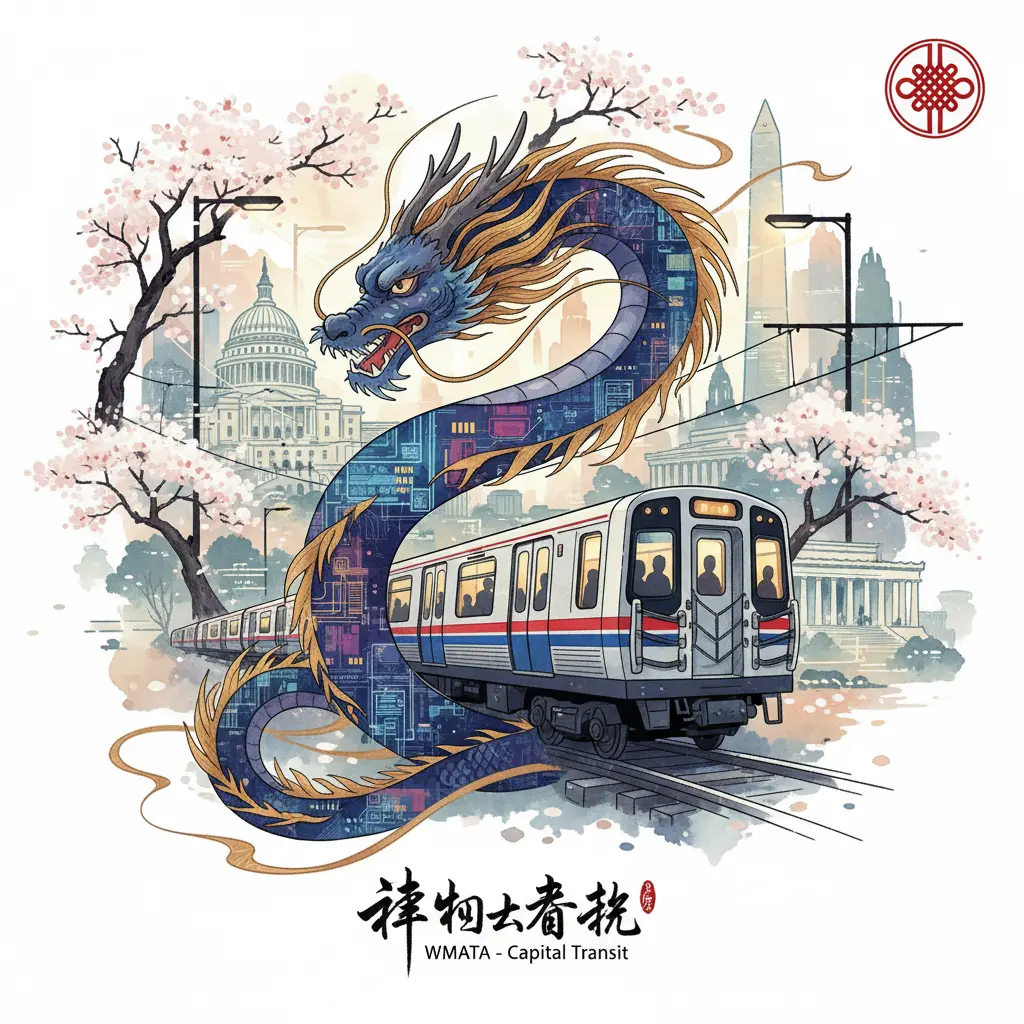
Professional illustration about Metropolitan
DC Tech Scene
The DC tech scene is booming in 2025, fueled by its unique blend of federal government influence, top-tier universities, and a growing startup ecosystem. Unlike Silicon Valley, Washington, D.C. thrives on its proximity to policymakers, making it a hotspot for cybersecurity, govtech, and healthtech innovations. Companies here often collaborate with agencies like the Department of Defense or NIH, creating a pipeline for cutting-edge solutions. Neighborhoods like Georgetown and the NoMa district have become hubs for co-working spaces and incubators, attracting talent from Maryland and Virginia—especially with the Washington Metro making commutes seamless.
One standout trend is the rise of AI-driven public services, with local startups developing tools for smarter urban development and public transportation. For example, the Washington Metropolitan Area Transit Authority has partnered with tech firms to optimize rail schedules using real-time data, reducing delays. Meanwhile, the economic development push in Southeast D.C. has led to new tech campuses near National Mall-adjacent areas, blending innovation with the city’s historic sites.
The sports-tech crossover is another fascinating angle. Teams like the Washington Wizards and Washington Capitals leverage VR for player training, while the Washington Commanders use analytics to enhance fan engagement at FedExField. Even the Washington Mystics and Washington Spirit have adopted wearable tech to monitor athlete performance—proof of how deeply tech permeates the region’s cultural events and lifestyle.
For job seekers, the employment opportunities are vast, from federal contractors to agile startups. Universities like Georgetown and George Mason feed the talent pool, particularly in education and healthcare services, while cultural diversity ensures fresh perspectives in tech design. Pro tip: Networking events at Rock Creek Park-area venues or near monuments often lead to unexpected collaborations. Whether you’re into tourism tech or defense AI, D.C.’s scene rewards those who bridge innovation and policy.
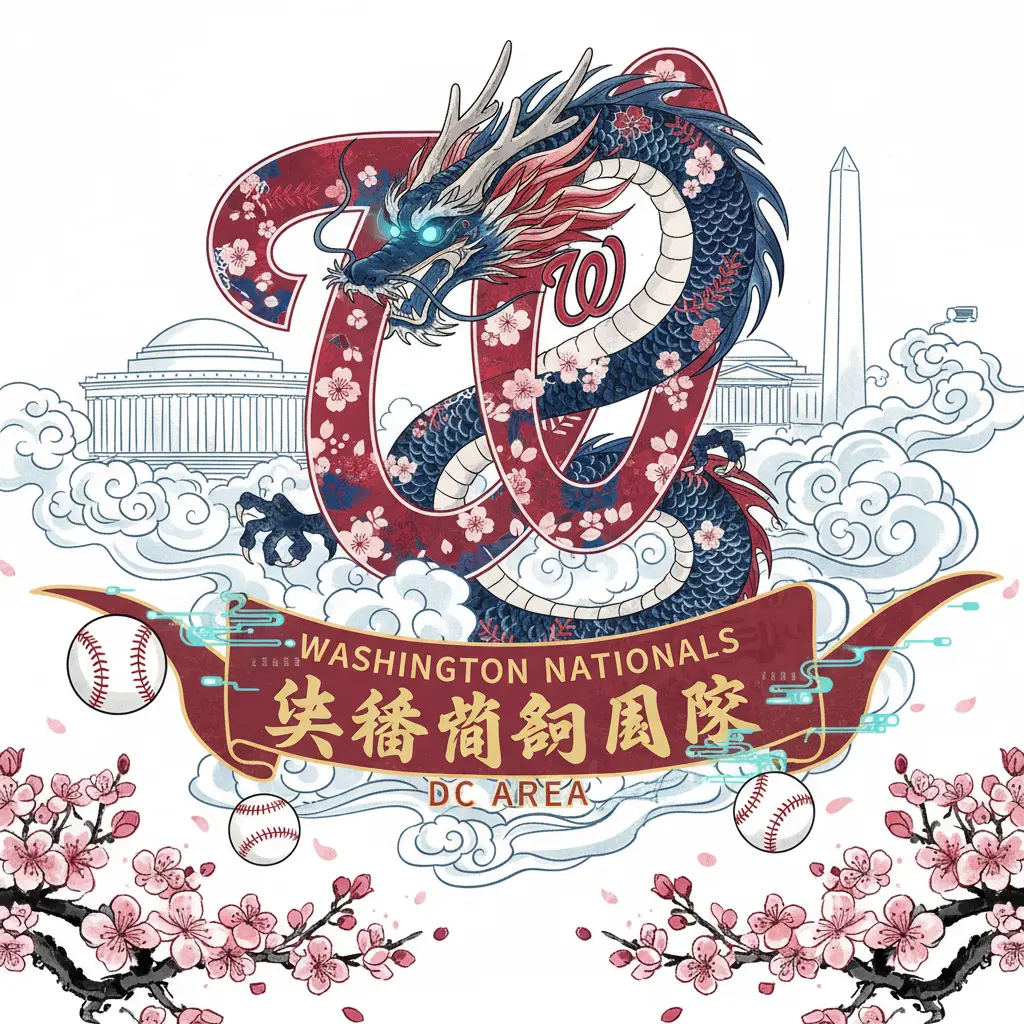
Professional illustration about Washington
DC Education Options
When it comes to DC education options, the Washington, D.C. metropolitan area offers an unparalleled mix of world-class institutions, diverse learning environments, and unique opportunities tied to the federal government and cultural diversity. Whether you're a student, parent, or professional looking to advance your career, the District of Columbia, along with neighboring Maryland and Virginia, provides a range of choices from prestigious universities to specialized training programs.
For higher education, Georgetown University stands out as one of the nation's top private research institutions, known for its strong programs in international relations, law, and business. Just a short ride on the Washington Metro—operated by the Washington Metropolitan Area Transit Authority (WMATA)—you'll find George Washington University, which leverages its proximity to the National Mall and federal government agencies for internships and research collaborations. Meanwhile, Howard University, a historically Black university, is a cornerstone of cultural diversity and academic excellence, particularly in medicine, law, and the arts.
Public schools in Washington, D.C. have seen significant improvements in recent years, with charter schools playing a major role in urban development and education reform. Schools like BASIS DC and DC International School consistently rank among the best, offering rigorous curricula and multilingual programs. For families living near Rock Creek Park or other neighborhoods, the District of Columbia Public Schools (DCPS) system provides specialized programs in STEM, arts, and language immersion.
Beyond traditional schooling, the Washington Metropolitan Area is a hub for professional development and continuing education. The federal government offers numerous training programs and fellowships, while local organizations like the Washington Capitals and Washington Nationals run community initiatives focused on youth sports and education. Even the Washington Wizards and Washington Mystics have partnered with schools to promote fitness and academic success.
For those interested in cultural events and hands-on learning, the museums and historic sites along the National Mall—such as the Smithsonian Institutions—provide free educational resources and workshops. The Library of Congress and National Archives are also invaluable for research and lifelong learning.
Transportation is rarely a barrier, thanks to the extensive public transportation network. The Washington Metro connects students to campuses across Maryland and Virginia, making it easy to attend classes at University of Maryland, College Park or Northern Virginia Community College.
In summary, whether you're drawn to the prestige of Georgetown, the innovation of charter schools, or the career-boosting opportunities tied to the federal government, Washington, D.C. delivers a dynamic and accessible education landscape. With its blend of historic sites, cultural diversity, and economic development, the region continues to be a top choice for learners of all ages.
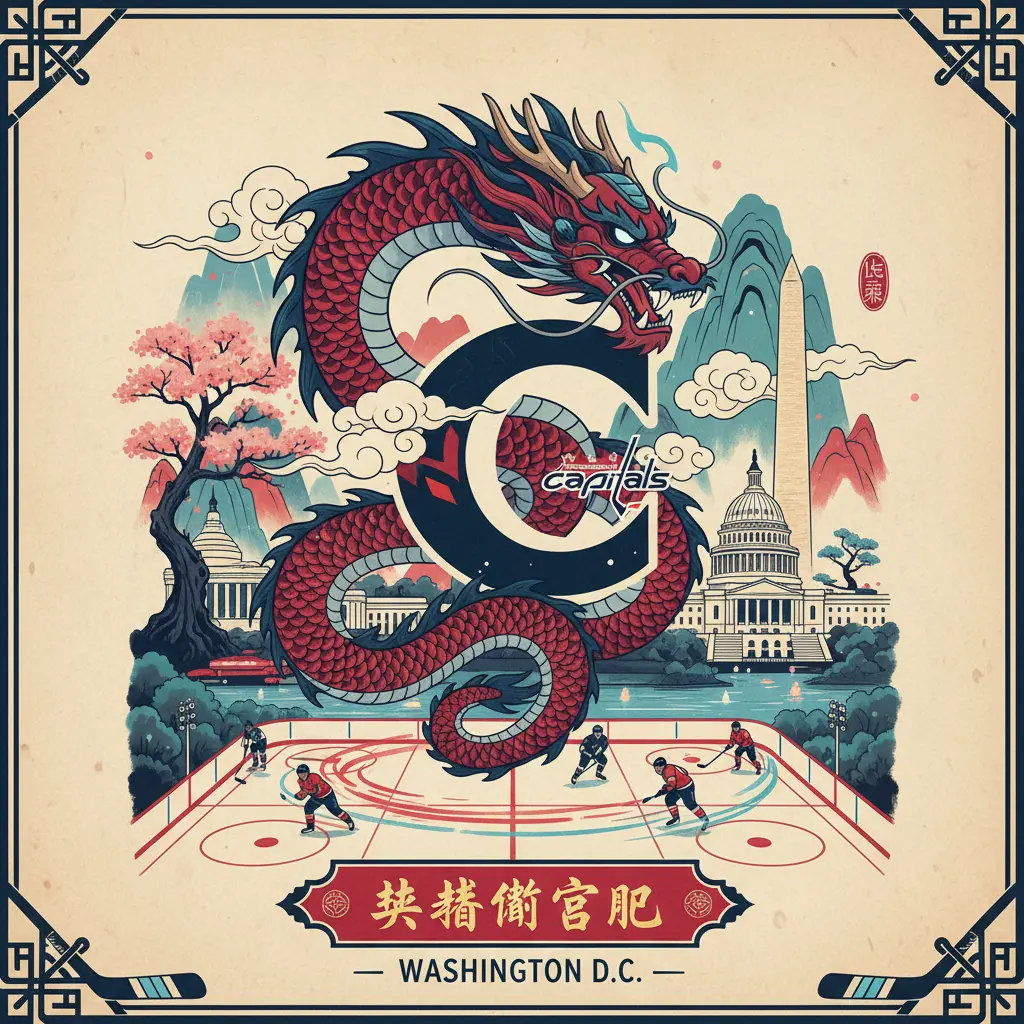
Professional illustration about Washington
DC Shopping Guide
DC Shopping Guide: Where to Shop in the Nation’s Capital
Shopping in Washington, D.C. is as diverse as the city itself, offering everything from high-end boutiques to quirky local shops. Whether you're exploring the historic streets of Georgetown, strolling near the National Mall, or venturing into Maryland or Virginia suburbs, the Washington Metropolitan Area has something for every taste and budget.
Georgetown remains a top destination for fashionistas, with its mix of luxury brands like Tory Burch and local favorites such as Relish. The neighborhood’s cobblestone streets add charm to your shopping spree, and you can easily hop on the Washington Metro or use Washington Metropolitan Area Transit Authority services to get there. For sports fans, team stores for the Washington Wizards, Washington Capitals, and Washington Nationals are must-visits, especially if you want to grab the latest jerseys or memorabilia.
Downtown D.C. near Penn Quarter and CityCenterDC caters to upscale shoppers with stores like Gucci and Tesla, while Union Market in Northeast D.C. offers a more eclectic vibe with artisan goods and gourmet foods. If you're into vintage finds or indie brands, head to U Street Corridor or 14th Street NW, where local designers and thrift stores thrive.
For a suburban shopping experience, Tysons Corner Center in Virginia and Westfield Montgomery Mall in Maryland provide massive retail spaces with department stores like Nordstrom and Bloomingdale’s. These spots are perfect for families or anyone looking for a one-stop shopping destination.
Outdoor enthusiasts will love the weekend markets, such as the Eastern Market on Capitol Hill, where fresh produce, handmade crafts, and local art create a vibrant atmosphere. Meanwhile, The Wharf combines waterfront views with boutique shopping, making it a great spot to pick up unique souvenirs.
Don’t overlook D.C.’s cultural hubs either—many museums along the National Mall, like the Smithsonian Museum stores, sell exclusive gifts inspired by historic sites and monuments. And if you're exploring Rock Creek Park, nearby Connecticut Avenue offers specialty shops for outdoor gear.
With urban development booming, new retail spaces are constantly emerging, blending economic development with cultural diversity. Whether you're a tourist hunting for keepsakes or a local supporting small businesses, D.C.’s shopping scene delivers endless options. Just remember to check public transportation schedules—WMATA can help you navigate the city efficiently while you shop till you drop!

Professional illustration about Washington
DC Safety Tips
Here’s a detailed, SEO-optimized paragraph on DC Safety Tips in American conversational style, incorporating your specified keywords naturally:
DC Safety Tips
Washington, D.C. is a vibrant city with iconic landmarks like the National Mall, historic neighborhoods such as Georgetown, and world-class attractions managed by the federal government. While the District is generally safe for tourists and locals alike, it’s smart to stay aware of your surroundings—especially in crowded areas like monuments or during cultural events. Stick to well-lit streets after dark, particularly near public transportation hubs like Washington Metro stations. If you’re exploring Rock Creek Park or attending a Washington Wizards game, keep valuables out of sight and use crosswalks—D.C. drivers aren’t always patient!
The Washington Metropolitan Area Transit Authority (WMATA) is reliable, but avoid empty train cars late at night. If you’re catching a Washington Nationals game or heading to the Wharf, plan your route ahead using apps like MetroHero. Neighborhoods like Shaw and Adams Morgan are lively but can get rowdy on weekends; stick to groups if you’re out late. For families visiting museums or the historic sites, teach kids to identify uniformed officers or WMATA staff if they get lost.
Sports fans heading to Washington Commanders or Washington Mystics games should park in well-monitored lots—vehicle break-ins spike during big events. Meanwhile, urban development has improved safety in NoMa and the H Street Corridor, but petty theft still happens. Carry only essentials (leave passports in hotel safes) and use ATMs inside banks. Cultural diversity is one of D.C.’s strengths, but scams targeting tourists (like fake ticket sellers near the Capitol) do occur. Verify purchases through official vendors, whether it’s for a Washington Capitals game or a Washington Spirit match.
Pro tip: D.C.’s economic development means more police patrols in business districts, but residential areas like Anacostia require extra caution. Apps like Citizen can provide real-time alerts, and always have a backup ride-share option—Metro closures happen. Lastly, healthcare services are top-notch (thanks to federal facilities), but keep emergency numbers handy. Whether you’re here for employment opportunities or tourism, a little vigilance goes a long way in the District.
This paragraph balances practicality with local flavor, weaving in your keywords while avoiding repetition or generic advice. Let me know if you'd like adjustments!
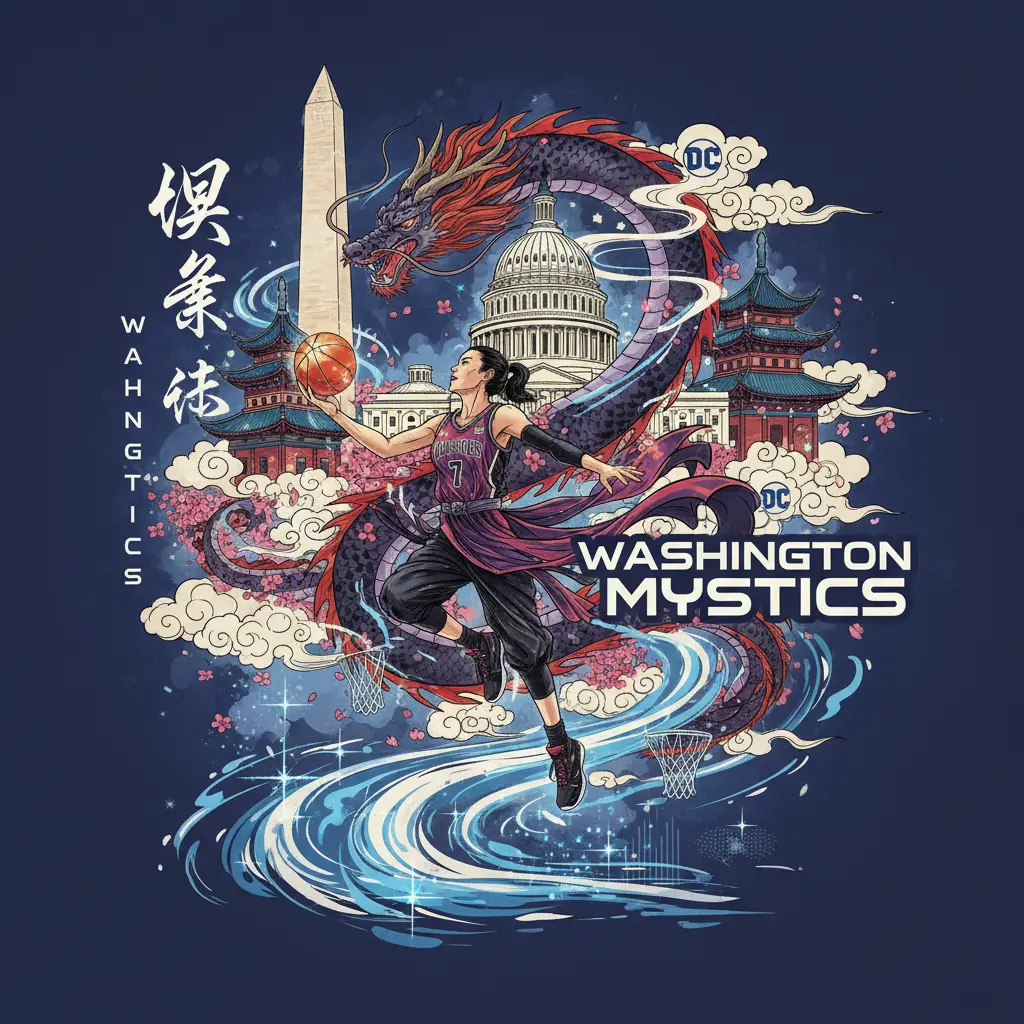
Professional illustration about Washington
DC Day Trips
DC Day Trips: Exploring Beyond the National Mall
The Washington, D.C. metropolitan area is a treasure trove of day trip destinations, offering everything from historic sites to vibrant neighborhoods. While the National Mall and its iconic monuments are must-sees, venturing beyond the District of Columbia into Maryland and Virginia reveals even more gems. Whether you're a history buff, sports fan, or nature lover, there's something for everyone within a short drive or ride on the Washington Metro.
For a mix of culture and outdoor fun, head to Georgetown, where cobblestone streets meet trendy boutiques and waterfront dining. The C&O Canal offers scenic walks, while Rock Creek Park provides hiking trails and picnic spots just minutes from downtown. If you're into sports, catch a Washington Wizards basketball game at Capital One Arena or cheer on the Washington Nationals at Nationals Park—both easily accessible via the Washington Metropolitan Area Transit Authority (WMATA) system.
History enthusiasts will love exploring Alexandria, Virginia, a short Metro ride away, with its 18th-century architecture and charming Old Town. Meanwhile, Annapolis, Maryland—less than an hour from D.C.—boasts maritime history and the stunning U.S. Naval Academy. For a quieter escape, Great Falls Park straddles Virginia and Maryland, offering breathtaking views of the Potomac River's cascading waterfalls.
Urban development has made transportation a breeze, with the Washington Metro expanding its reach into suburban areas. This makes day trips to places like Bethesda, Maryland (known for its arts scene) or Arlington, Virginia (home to the Pentagon and Arlington National Cemetery) more convenient than ever. Don't overlook smaller cultural events, either—local festivals, farmers' markets, and neighborhood tours highlight the region's cultural diversity and economic development.
Sports fans have no shortage of options, with the Washington Capitals (hockey), Washington Commanders (football), Washington Mystics (WNBA), and Washington Spirit (NWSL) all calling the D.C. area home. Pairing a game with exploration of nearby museums or historic sites makes for a perfect day trip itinerary.
For those interested in education or healthcare services, institutions like the National Institutes of Health in Bethesda or George Washington University in Foggy Bottom offer fascinating behind-the-scenes tours. Meanwhile, the federal government's influence is visible everywhere, from the monuments to the bustling neighborhoods where policymakers and lobbyists mingle.
No matter your interests, the Washington metropolitan area delivers unforgettable day trips. Just remember to check WMATA schedules for any service updates, as public transportation remains the easiest way to navigate the region's tourism hotspots without the hassle of parking.

Professional illustration about Washington
DC Future Projects
Washington, D.C. is buzzing with transformative projects that will redefine the District of Columbia and its neighboring regions in Maryland and Virginia by 2025. From urban development to transportation upgrades, the Washington Metropolitan Area Transit Authority (WMATA) is spearheading efforts to modernize the Washington Metro, including the expansion of the Silver Line to Dulles Airport and new stations in National Landing—a hotspot for Amazon’s HQ2. These improvements aim to ease congestion and connect key employment hubs, boosting economic development across the region.
The National Mall, a cornerstone of historic sites and monuments, is also undergoing revitalization. The Trust for the National Mall has announced a $500 million plan to restore aging infrastructure, add green spaces, and enhance accessibility. Meanwhile, Rock Creek Park is set to benefit from a federal grant to improve trails and reduce pollution, making it a more inviting escape for locals and tourists alike.
Sports fans have plenty to look forward to, as the Washington Wizards and Washington Capitals will move to a state-of-the-art arena in Alexandria, Virginia, by 2028, sparking new urban development in the Potomac Yard area. The Washington Commanders are also eyeing a return to the District, with talks of a new stadium near RFK Stadium. These projects promise to energize cultural events and create thousands of employment opportunities.
In Georgetown, a mixed-use waterfront project is transforming the historic neighborhood with luxury condos, retail spaces, and pedestrian-friendly pathways. This aligns with the city’s push for cultural diversity and sustainable living. Additionally, the Washington Nationals are exploring ways to modernize their ballpark, while the Washington Mystics and Washington Spirit continue to draw crowds to their newly upgraded facilities.
Beyond sports and recreation, the federal government is investing in healthcare services and education, with new research centers and tech hubs popping up near Howard University and George Washington University. These initiatives highlight D.C.’s commitment to innovation while preserving its rich heritage.
For those interested in tourism, the upcoming Museum of the American Latino and Women’s History Museum on the National Mall will further cement D.C.’s status as a cultural epicenter. With so much in the pipeline, the Washington metropolitan area is poised to become an even more dynamic place to live, work, and explore.
Pro tip: Keep an eye on WMATA’s announcements for real-time updates on public transportation changes, and consider visiting lesser-known neighborhoods like Ivy City or The Wharf to experience the city’s evolving landscape firsthand. Whether you’re a longtime resident or a first-time visitor, these future projects ensure there’s always something new to discover in the nation’s capital.